
Right, let’s dive in! I recently had a fantastic chat with Ben, a real whizz when it comes to leveraging AI in marketing, specifically on how to make event invitations and networking opportunities truly shine. We explored how to move way beyond those bland, generic email blasts and into the realm of hyper-personalisation, using AI and data to connect people with events that genuinely matter to them.
The Problem with the Standard Approach
Before we get to the good stuff, let’s acknowledge the elephant in the room: the traditional method of event promotion often falls flat. Sending the same invitation to everyone on your list? It’s a recipe for low engagement and wasted resources. As Ben put it, “People are bombarded with information. If your invitation doesn’t immediately resonate, it’s going straight to the bin.” And, let’s be honest, most do.
AI to the Rescue: Identifying the Right Events
So, how do we make those invitations resonate? The first step is identifying the right events for each individual. This is where AI comes in. Ben highlighted the importance of using AI-powered tools to analyse a user’s:
- Professional Interests: Think job title, industry, skills listed on LinkedIn, articles they’ve shared, groups they belong to, even the topics they engage with on social media. AI can sift through this data and identify core areas of interest.
- Industry: This seems obvious, but AI can go beyond just classifying someone as being in ‘marketing’ or ‘finance’. It can pinpoint specific sub-sectors or niches. For example, ‘sustainable fashion marketing’ or ‘fintech for SMEs’.
- Connections: Who are they connected to on LinkedIn or other professional networks? Are any of their contacts speaking at or attending specific events? AI can identify these connections and use them to tailor recommendations.
Using this information, AI can then scour event listings, conference websites, and industry publications to identify events that are a good match. Ben suggests using tools that offer API access to event data, so you can integrate this functionality directly into your CRM or marketing automation platform.
Crafting the Killer Invitation: Personalisation in Action
Once you’ve identified the right events, it’s time to craft the invitation. Forget ‘Dear Attendee’; we’re going for genuine connection here. Ben emphasised several key elements:
- Personalised Subject Line: This is your first impression. Use the recipient’s name and mention a specific benefit of attending. For example, “[Name], Connect with Industry Leaders at [Event]” or “[Name], Learn About AI in [Their Industry] at [Event]”.
- Highlighting Relevance: Don’t just describe the event; explain why it’s relevant to the individual. “Based on your interest in sustainable marketing, we think you’ll find [Session Topic] particularly valuable.” Or, “Given your connection to [Contact Name], we thought you’d be interested in seeing them speak at [Event].”
- Suggesting Networking Opportunities: Go beyond simply stating that networking is available. Identify specific people the recipient might want to connect with. “We noticed [Contact Name], someone you’re connected to on LinkedIn, will also be attending. This would be a great opportunity to meet them in person.” Or, “Based on your interests, we recommend connecting with [Speaker Name] during the networking breaks.”
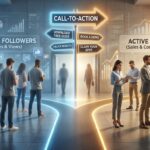
- Personalised Call to Action: Don’t just say ‘Register Now’. Tailor the call to action to the individual. For example, “Claim Your Discounted Ticket” or “View the Full Speaker Lineup and Register”.
Data Tracking and Continuous Improvement
This isn’t a ‘set it and forget it’ strategy. Ben was adamant that constant monitoring and optimisation are crucial. Track:
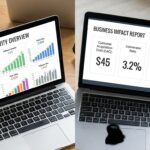
- Open Rates: Are your subject lines engaging? Experiment with different approaches to see what resonates best.
- Click-Through Rates: Are people clicking on the links in your email? If not, the content might not be relevant enough.
- Event Attendance: Are people actually attending the events you’re recommending? If not, you might need to refine your targeting.
- Networking Success: While harder to measure directly, you can track post-event interactions – did attendees connect on LinkedIn, send follow-up emails, or engage with content related to the event?
Use this data to refine your AI models and improve the accuracy of your event recommendations and the effectiveness of your invitations.
Ben really opened my eyes to the power of AI-driven personalisation in event marketing. By focusing on individual interests, tailoring invitations, and continuously tracking results, you can create a much more effective and engaging experience for your audience. The key takeaway, I think, is that hyper-personalisation isn’t just about adding a name to an email; it’s about genuinely understanding your audience and connecting them with opportunities that are truly relevant to their professional lives.