Right, let’s talk personalised email campaigns. We all know the game – blasting out generic offers just doesn’t cut it anymore. Customers are savvy; they expect more. They want to feel understood, like their individual needs are being met. That’s where AI and super-targeted product recommendations come in, turning your emails from background noise into compelling conversations. My journey into this area has been a proper eye-opener.
Initially, I was stuck in the old way of doing things. Segmenting lists based on basic demographics felt… well, basic. Open rates were okay, click-throughs, not so much. The magic started happening when I began experimenting with AI-driven recommendations, specifically within the context of email. Think ‘contextual product recommendations and upselling’.
Step 1: Laying the Data Foundation
First things first: data. You need to gather it, ethically, and use it effectively. I connected our email platform to our CRM and e-commerce platform, pooling together purchase history, website browsing data (page views, time spent, products viewed), abandoned cart information, and even customer support interactions. GDPR compliance is paramount here – make sure you’re transparent about data collection and offer clear opt-out options.
Step 2: Choosing the Right AI Tools
This is where it gets interesting. There are several AI platforms on the market specialising in product recommendations. I tested a few, eventually settling on one that offered both predictive analytics and real-time personalisation capabilities. I sought to ensure that it included features like collaborative filtering (suggesting products based on similar users’ behaviour) and content-based filtering (recommending products similar to those a user has interacted with). The important thing is the ability to connect seamlessly to your existing ecosystem.
Step 3: Defining Contextual Triggers
Now for the fun part: defining the triggers that would activate personalised email recommendations. I started with the obvious:
- Recent Purchases: A customer buys a new camera? Trigger an email showcasing compatible lenses, tripods, or camera bags. The AI selected items that were frequently bought together with the camera, or items that enhanced its functionality.
- Browsing History: Someone spends a significant amount of time browsing hiking boots? Fire off an email highlighting similar boots, hiking socks, waterproof jackets, or even nearby hiking trails. The AI picked up that they had spent an inordinate amount of time on a certain brand of boot and then showed recommendations of similar brands.
- Abandoned Carts: The classic. But instead of a generic “You forgot something!” email, the AI highlighted other popular items in that category or offered a small discount specifically on the abandoned items.
But then I started to think bigger. We integrated a news API into our system. If a major sporting event was happening, the AI could identify customers who had previously purchased sports-related equipment and send them emails with relevant promotions.
Step 4: Optimising Timing and Placement
It’s not just about what you recommend, but when and where. The AI platform analysed open rates and click-through rates to determine the optimal send time for each individual customer. It also experimented with different placements of the product recommendations within the email body. Do recommendations work better at the top, the bottom, or interspersed within the content? The AI tells you.
Step 5: A/B Testing and Iteration
Finally, don’t just set it and forget it. Regularly A/B test different recommendation algorithms, email designs, and contextual triggers. I was surprised to find that sometimes, simpler was better. One A/B test showed that recommendations based solely on recent purchases outperformed those based on a more complex combination of factors. It’s about constant learning and adaptation.
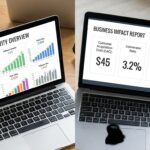
The results? Well, let’s just say I’ve seen a significant uptick in click-through rates, conversion rates, and overall customer engagement. More importantly, I’m building stronger relationships with my customers by showing them that I understand their needs and interests. So, gather your data, choose your tools, define your triggers, optimise continuously, and you will be well on your way to seeing the impact of data driven personalised emails.