Right, so I was chatting with Joel the other day, and we got deep into the weeds about using Facebook for generating new business, specifically how to really leverage the Facebook Pixel and cross-platform integration. It’s not just about throwing ads out there and hoping something sticks, it’s about crafting a joined-up strategy.
“It’s all about understanding the customer journey, innit?” Joel said, sipping his tea. He’s right, of course. The journey starts way before they even see your Facebook ad. Are they engaging with your emails? What are they looking at on your website? And that’s where the Facebook Pixel comes in – it’s our bridge.
Connecting the Dots: Website Analytics & Facebook Pixel
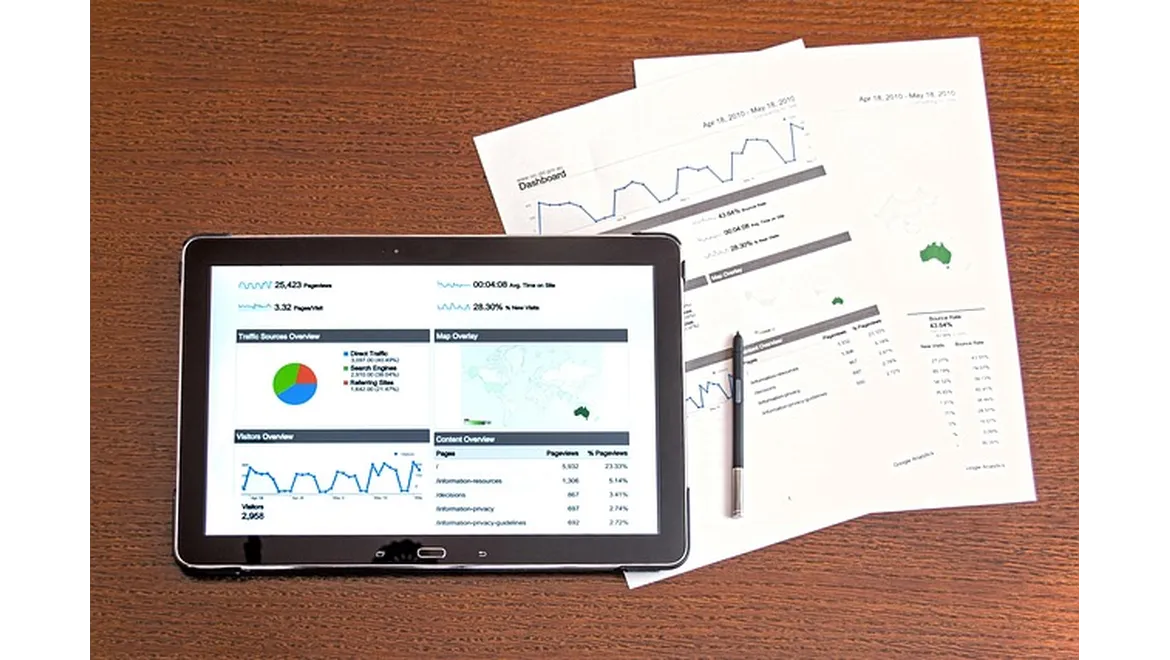
Imagine your website as a shop window. People wander past, some stop to look, others come inside. Website analytics tells you how many people are doing what, but the Pixel lets you target specific groups within that crowd on Facebook. Here’s the thing: make sure your Facebook Pixel is properly installed on your website. This is non-negotiable! If you’re using something like WordPress, there are plugins that make it super easy. Just search for ‘Facebook Pixel’ in the plugin directory. Once it’s installed, you need to configure it to track key events. Events are actions people take on your site, like viewing a product page, adding something to their basket, or completing a purchase. You can create custom events in Facebook Events Manager if the standard events don’t cover what you need.
Email Marketing & Facebook: A Match Made in Heaven
Now, let’s talk about email marketing. This is where cross-platform integration gets really exciting. Most email marketing platforms allow you to upload contact lists to Facebook as custom audiences. Think about it: someone who’s already subscribed to your newsletter is clearly interested in what you offer. You can target them with highly relevant ads on Facebook to nudge them further down the sales funnel. For example, if someone downloaded a white paper from your website, you could then target them with a Facebook ad offering a free consultation. This shows you are understanding of their needs and interest levels.
Pixel Optimisation: Track Those Conversions!
This is crucial: you need to tell Facebook what a ‘conversion’ means to you. Is it a purchase? A lead form submission? A phone call? Once you’ve defined your conversions, Facebook can start optimising your ad campaigns to show them to people who are most likely to convert. To do this, go to Facebook Ads Manager and set up conversion tracking for each of your key goals. You’ll need to connect your Pixel to these conversion events. The more data you feed the Pixel, the smarter it becomes.
Retargeting Website Visitors
Retargeting is where the magic happens. The Pixel allows you to create custom audiences of people who have visited specific pages on your website, spent a certain amount of time on your site, or taken specific actions. Let’s say someone looked at a specific product on your website, but didn’t add it to their basket. Boom! Retarget them with an ad showing that very product, maybe with a special offer to sweeten the deal. You can be super specific with your retargeting. Create audiences based on the pages they visited, the time they spent on your site, even the articles they read. The more specific you are, the more relevant your ads will be, and the higher your conversion rate will be.
Video Engagement: Deep Dive
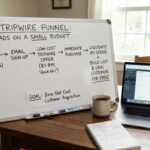
We also discussed retargeting based on video engagement. It’s powerful stuff! If someone watched 75% of your explainer video, they’re clearly pretty engaged. Hit them with a targeted offer that relates directly to the video content. In Ads Manager, you can create custom audiences based on video views – 25%, 50%, 75%, 95%. Then, create targeted ads specifically for each of those audiences. Someone who watched 95% of your video is practically begging you to sell them something! Use captivating video content to capture attention initially, creating a funnel through engagement before finally trying to sell to them.
Putting It All Together
So, essentially, Joel and I came to the conclusion that a successful Facebook strategy hinges on weaving together your email marketing, website analytics, and the Facebook Pixel. Define your conversions, optimise the Pixel, and craft highly targeted ads based on user behaviour across all platforms. It’s about understanding your audience, offering them value, and making it easy for them to take the next step. It isn’t just about advertising, it’s about cultivating a relationship.